Phoenix House was conceived as a home for the future—one shaped by ambitious sustainability goals, multigenerational living and a desire to create spaces that feel deeply personal. Bringing that vision to life meant balancing performance and longevity with warmth, character and the realities of everyday family life.
We spoke with interior designer Josephina Serra of Form Collective, about the thinking behind the home’s interiors, from its layered material palette and personal details to the seamless integration of technology and Miele appliances.
Here, she shares how thoughtful design choices helped create a home that feels as inviting as it is considered.
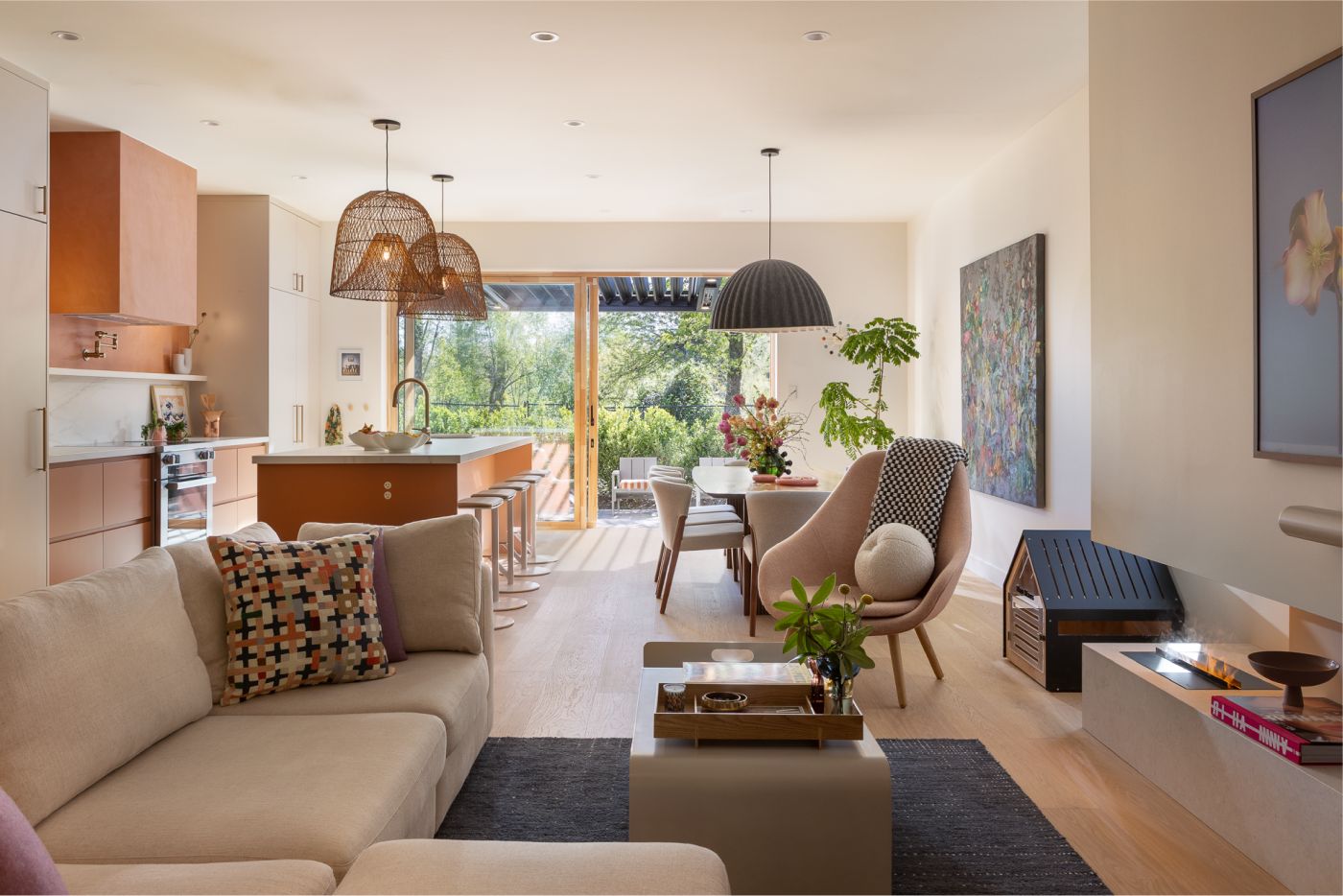
Q1: Phoenix House began as a deeply personal rebuild, but ultimately became a much bigger statement about sustainable and multigenerational living. From an interior design perspective, what was your guiding vision for the home, and how did you translate the family’s story and values into spaces that still feel warm, personal and highly livable?
Answer:
The family and how they wanted to live were central to the interior design. Phoenix House had very ambitious sustainability and performance goals, but it was equally important that the home feel warm, personal and comfortable. It needed to support everyday family life and multiple generations while still feeling cohesive.
That meant thinking carefully about how the spaces connect, how people move through them, where they gather, what they need to store, and how materials and colour contribute to the experience of the home. The architecture has a clean, simplified language, so the interiors provided opportunities to introduce warmth, texture and personality. The goal was for the sustainability principles to feel naturally integrated into the home rather than visually imposed on it.
Q2: There is a strong sense of warmth and personality throughout Phoenix House - from the terracotta tones and natural wood to the quieter neutral finishes that balance the interior. At the same time, the home reflects the personalities of the people who live there, from Ritz’s love of Lego and JP’s passion for cars to Bao, their beloved dog. How did colour, material, texture and those more personal elements come together to give such a high-performance home its character?
Answer:
We wanted the interiors to feel warm, welcoming and very personal to the family. Natural wood tones, warmer colours and moments of unexpected colour help soften the clean architectural lines and give the spaces a sense of personality and comfort.
But personality in a home also comes from the people who live there. Ritz and JP have very distinct interests and collections, and Bao is very much part of everyday family life. Those things are important because they help keep the interiors from feeling overly controlled or purely architectural. A home should have room for the things people love, collect and use every day.
At the same time, the project's broader material strategy placed importance on durability, longevity and environmental impact. That meant thinking about materials and finishes not only in terms of how they would look when the home was completed, but how they would perform and age over time.
For us, sustainability doesn't need to have a particular aesthetic. It can be expressed through a home that is colourful, personal and comfortable, while still being thoughtful about material choices, durability and long-term performance. Ultimately, those layers—the materials, the colour and the family's own.
Q3: The homeowners had selected Miele appliances as part of their vision for Phoenix House. From an interior design perspective, how did you incorporate those appliances into the design while maintaining the clean sightlines, cabinetry and overall aesthetic you envisioned for the kitchen?
Answer:
Once the appliance selections were established, our role was to make sure they felt fully considered within the overall design. Appliances have a significant impact on cabinetry dimensions, clearances, workflow and sightlines, so coordinating those elements early was important.
In the kitchen, we wanted the material palette and architecture to remain the focus. Integrating elements such as refrigeration and ventilation into the cabinetry helped us maintain those clean visual lines while still accommodating the functionality the homeowners wanted.
It becomes a collaborative exercise- taking the products and functional requirements that are important to the client and finding a way to make them feel completely at home within the interior.
Q4: Phoenix House looks at sustainability through a long-term lens, considering not only energy performance but durability and longevity. How did that thinking influence your approach to the interiors, and what lessons from the project do you think other designers can apply to future residential projects?
Answer:
Those priorities were very consistent with the broader goals of the project. Phoenix House was being designed with a long-term perspective, so there was a shared understanding that the interior needed to accommodate products and materials that would perform well over time.
From our perspective, that meant creating a kitchen that could support the level of functionality the homeowners wanted without compromising the simplicity of the design. The appliances needed to work within the cabinetry, circulation and overall planning of the space rather than dictate the visual experience.
It was really about finding that balance between performance and restraint - making sure everything the family needed was there, while allowing the architecture, materials and character of the kitchen to remain at the forefront.
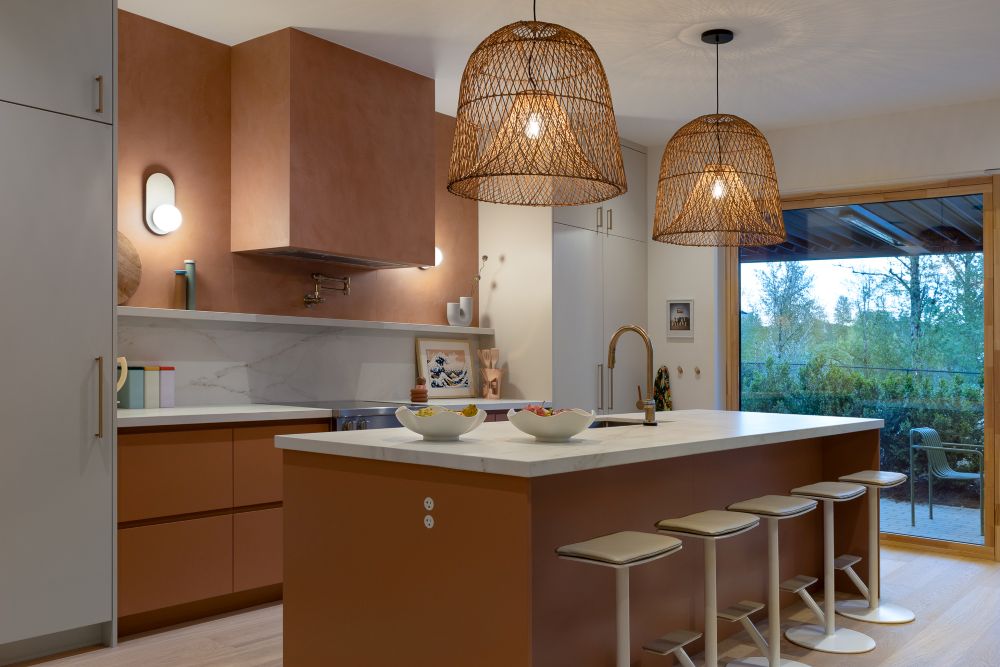
Q5: The Miele appliance package brings a number of technologies into Phoenix House - from induction cooking and automatic dishwasher dispensing to integrated refrigeration and energy-efficient laundry. From a designer’s perspective, were there particular appliance features or innovations that complemented the way you wanted the home to look, function and perform?
Answer:
What was interesting about the appliance package was that the technology could support the performance goals of the home without requiring the interiors to feel overly technical. Features such as induction cooking aligned naturally with the home's all-electric approach, while integrated refrigeration and ventilation allowed us to maintain the clean cabinetry and sightlines we wanted in the kitchen.
There are also innovations that contribute more quietly to everyday use - automatic dispensing in the dishwasher and laundry, food-preservation technology in the refrigeration, and heat-pump drying, for example. Those are features the homeowner experiences through convenience, efficiency and performance rather than through the appearance of the space.
From an interior design perspective, that balance is valuable. You can incorporate a high level of technology and functionality while still allowing the materials, architecture and personality of the home to remain at the forefront.
Q6: Phoenix House looks at sustainability through a long-term lens, considering not only energy performance but durability and longevity. How did that thinking influence your approach to the interiors, and what lessons from the project do you think other designers can apply to future residential projects?
Answer:
Phoenix House reinforced the idea that sustainability is the result of many individual decisions working together. From an interiors perspective, that means thinking beyond how something looks when a project is completed and considering how materials, finishes and spaces will perform and age over time.
Durability and longevity become very important in that conversation. And across Phoenix House, that same long-term thinking extends beyond the interiors to the building systems, materials and appliances selected for the home.
One of the lessons I would take from Phoenix House is that sustainability doesn't need to feel separate from good design. When performance, longevity and aesthetics are considered together from the beginning, they can contribute to a home that is both beautiful and designed to serve its occupants for a very long time.
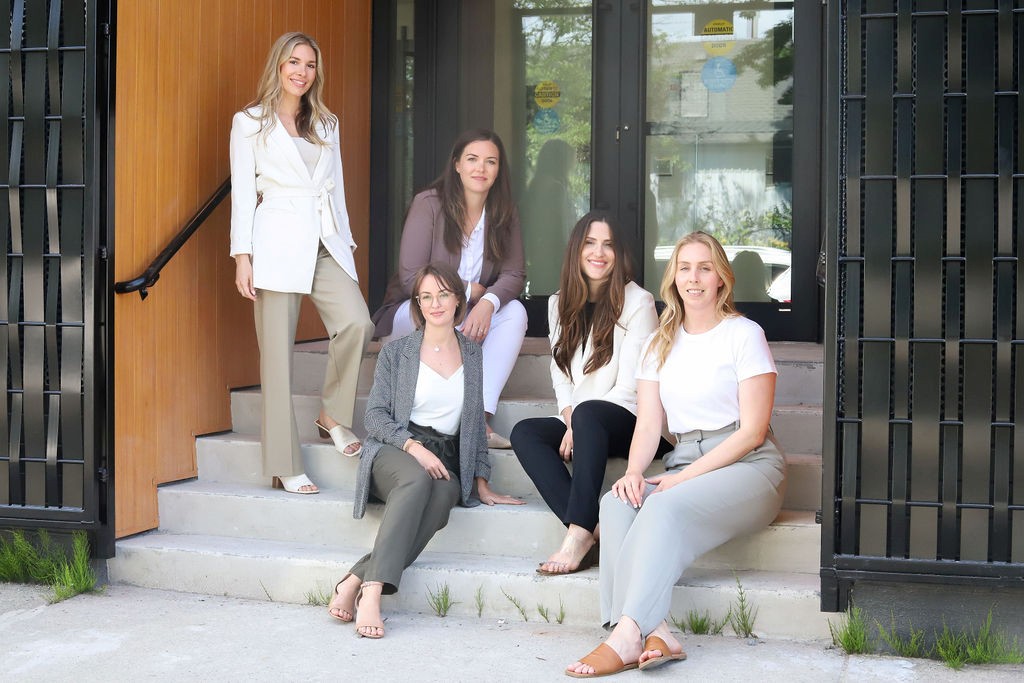
Form Collective Team
From left to right: Jacqui Specogna, Lauren Webb, Taylor Howarth, Josephina Serra, Alexa Ketilson
continue the story
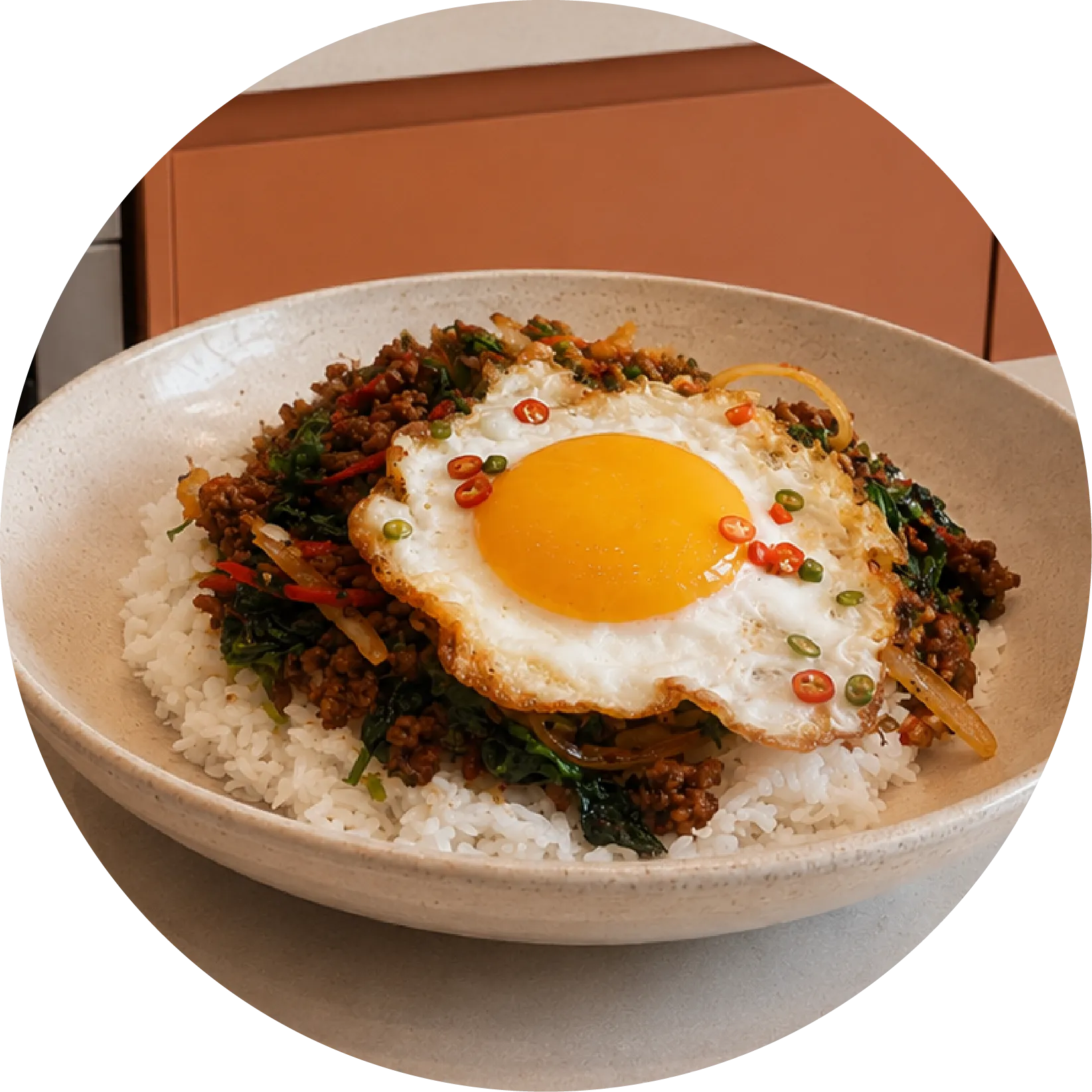
A family favourite
Bring a taste of Phoenix House into your own kitchen with Ritz’s Holy Basil Stir-Fry (Pad Gra Prow), prepared on the Miele Induction Range.
View Recipe →
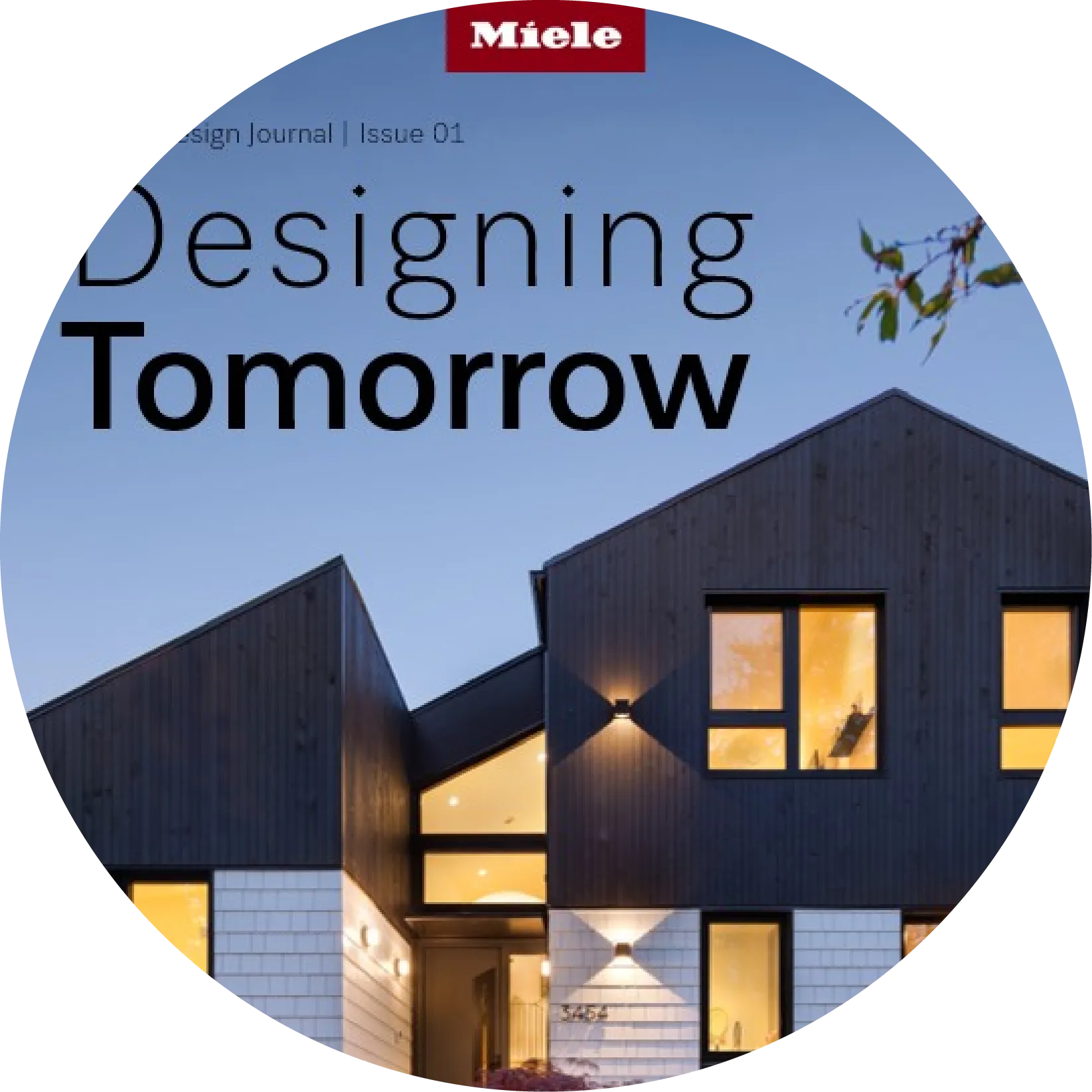
DESIGNING TOMORROW
Explore the inaugural issue of the Miele Design Journal, for a deeper look at Phoenix House, its performance strategy, the people behind the project and the thinking that shaped the home.
Discover More →
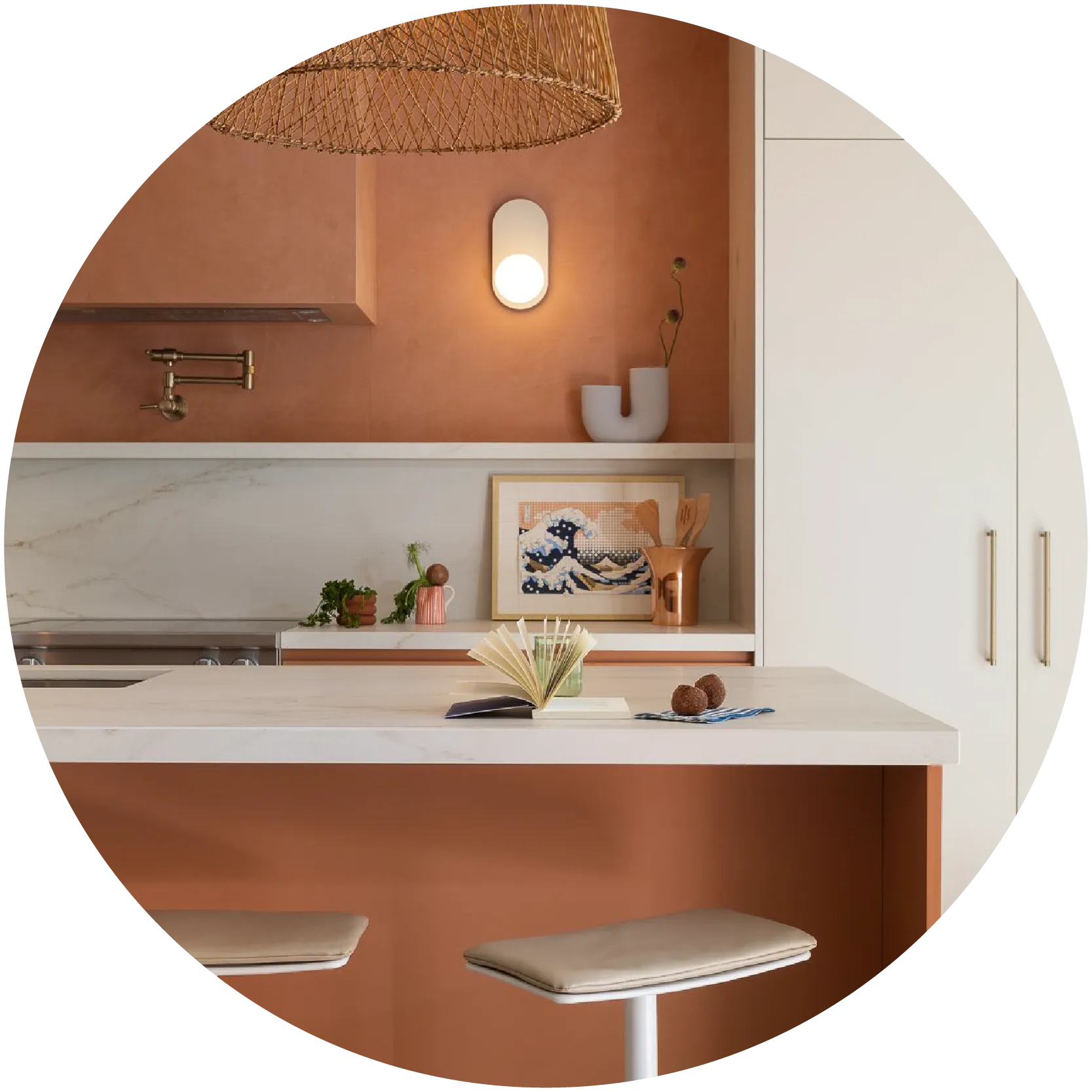
The Phoenix House
Have a look inside the Phoenix House, a multigenerational home shaped by warmth, personality, thoughtful choices and high-performance living.
Explore →